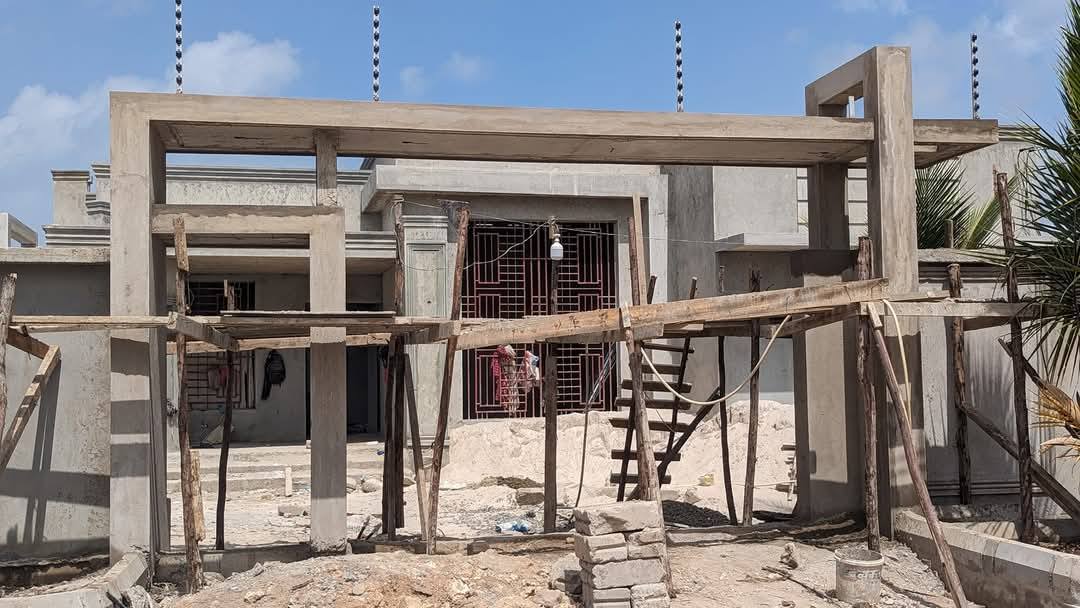
Why Quality Materials Matter in Every Building Project

When it comes to construction, every detail contributes to the final outcome — and the choice of materials is among the most crucial. Quality materials form the backbone of every successful project. From the foundation to the finishing touches, using superior materials ensures strength, longevity, safety, and overall aesthetic appeal. Choosing the right materials is not just about beauty or cost; it’s about building something that stands the test of time.
1. Durability and Longevity
One of the most important reasons to use quality materials is durability. Buildings are long-term investments meant to last for decades. Cheap or substandard materials may save money initially, but they deteriorate quickly, leading to frequent repairs or even structural failure. High-grade materials can withstand harsh weather, moisture, and daily wear and tear. Over time, they maintain their appearance and structural integrity, reducing maintenance costs and extending the life of the building.
2. Safety and Structural Integrity
Safety is non-negotiable in any construction project. Quality materials provide stability and reduce risks associated with weak structures such as cracks, leaks, or collapse. Strong materials like reinforced concrete, treated timber, and certified steel ensure that the structure meets safety standards and can resist natural forces like wind, rain, or minor seismic activity. When a building is made with high-quality components, it protects both the occupants and the investment.
3. Cost Efficiency Over Time
At first glance, high-quality materials may seem expensive, but in reality, they save money in the long run. Cheap alternatives often require replacements, frequent maintenance, and unexpected repairs. Quality materials may require a higher initial budget, but they reduce operational and repair costs significantly. They also improve the property’s resale value, making them a smart financial decision for homeowners and developers alike.
4. Aesthetic Appeal and Value
Beyond function, quality materials enhance the appearance of any building. Superior finishes, well-textured walls, premium flooring, and high-end roofing materials all contribute to a more attractive property. A well-built structure doesn’t just look appealing — it reflects professionalism, attention to detail, and high standards. Whether it’s a residential home or a commercial complex, the use of quality materials can set a project apart and increase its overall market value.
5. Environmental Sustainability
Sustainable building practices are becoming essential in modern construction. Quality materials are often more eco-friendly and energy-efficient. For example, insulated windows, sustainable timber, and energy-efficient roofing reduce energy consumption and minimize the building’s environmental footprint. Using certified and durable materials also reduces waste because replacements are less frequent. In short, investing in quality materials supports both environmental conservation and long-term cost savings.
6. Better Performance and Comfort
A building’s performance depends heavily on the quality of its materials. Superior insulation, for instance, helps regulate indoor temperatures, improving energy efficiency and comfort. High-quality windows and doors prevent air leakage, while good roofing materials offer protection from heat and rain. These factors contribute to a better living or working environment, ensuring comfort and functionality for years.
7. Professional Image and Reputation
For construction companies and developers, material choice speaks volumes about credibility and professionalism. Clients can easily tell when a structure is built with precision and care. Using the best materials builds trust and strengthens your reputation in the industry. It communicates that your company values excellence and prioritizes quality over shortcuts. This reputation attracts more clients and long-term business growth.
8. Compliance with Building Regulations
High-quality materials typically come with certifications and meet industry standards. Using certified products ensures that your project complies with local building regulations and inspection requirements. This not only avoids legal issues but also guarantees that your project meets safety and performance benchmarks expected by regulators.
Conclusion
Quality materials are more than just components — they are the foundation of success for any construction project. They determine the strength, appearance, sustainability, and overall performance of a building. Skimping on material quality might seem like an easy way to cut costs, but it often leads to bigger problems and higher expenses later.
For builders, developers, and homeowners alike, the choice is clear: invest in quality materials today to build a safer, stronger, and more valuable tomorrow.